


Full Collection

Full Collection

Full Collection
Full Collection

Men Tee's

Muhammad Ali
Full Collection

Full Collection

Full Collection

Full Collection

Full Collection
George Foreman
Full Collection
Archie Moore Collection

Full Collection
Full Collection

Full Collection
Full Collection
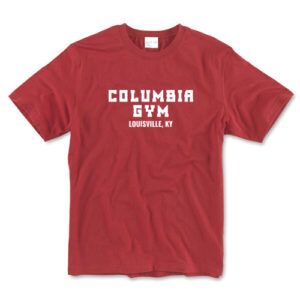
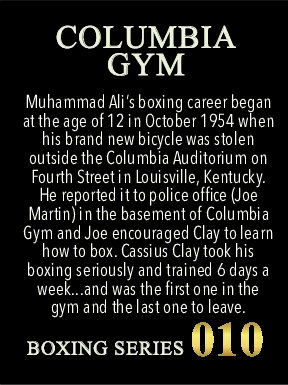
Columbia gym*
Cassius Clay / Muhammad Ali trained here 1952 Louisville Kentucky
Columbia Gym in Louisville, Kentucky, stood in the basement of the Columbia Auditorium and became the place where Muhammad Ali, then Cassius Clay, first laced up gloves at age 12. After reporting his stolen bicycle, he met police officer and boxing coach Joe Martin, who offered to teach him how to fight. That chance encounter changed boxing history.
The gym had a raw, no-frills atmosphere — heavy bags worn from years of punches, a ring that saw countless rounds, and the smell of sweat hanging under dim lights. For local kids and amateurs, it was a proving ground, and under Martin’s watch, young Cassius learned footwork, speed, and discipline.
Columbia Gym wasn’t glamorous, but it was where Muhammad Ali’s journey began. It became the foundation of a career that would carry him from Louisville’s neighborhoods to Olympic gold and, ultimately, to global legend.

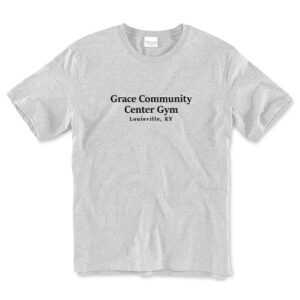
grace community center gym*®
Louisville Kentucky trained here 1955.
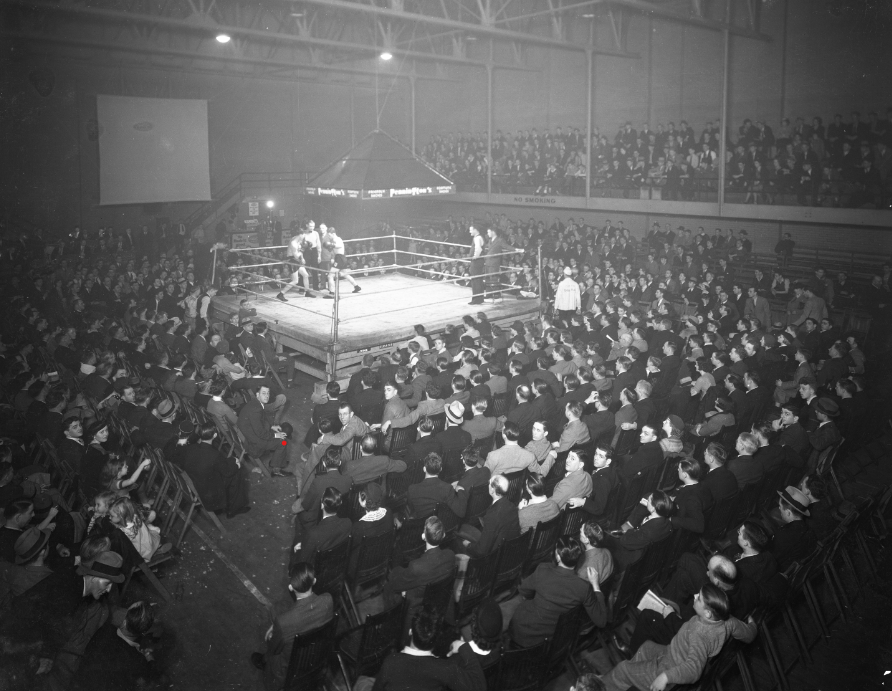
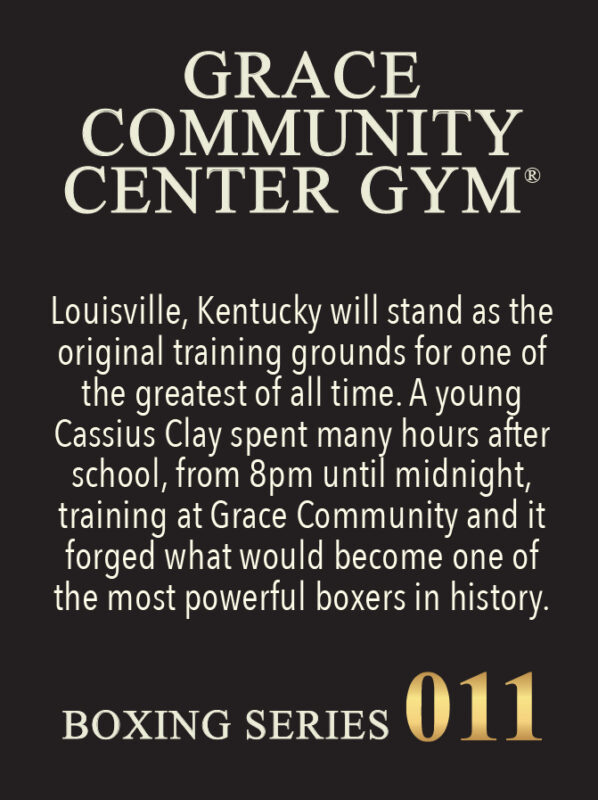
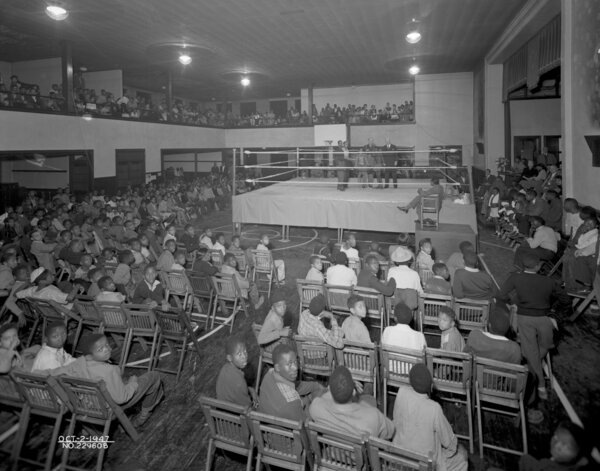
Grace Community Center Gym, also known as the Presbyterian Community Center, stood in Louisville’s Smoketown neighborhood. After Columbia Gym closed in the evenings, Muhammad Ali, then Cassius Clay, continued his training here under Fred Stoner, a trainer he later credited with teaching him “all I know.”
The atmosphere was rooted in community. The gym brought together neighborhood kids, rising amateurs, and champions in the making. Stoner’s influence helped refine Ali’s timing, combinations, and ring craft, sharpening the skills that Joe Martin had first introduced.
Grace Community Center became a second home for Ali during his formative years. Beyond a place to train, it was a space of transformation — where a young fighter polished the tools that would one day define a champion.
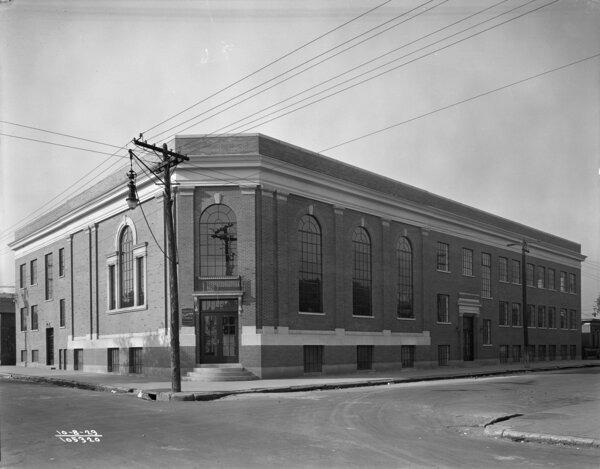
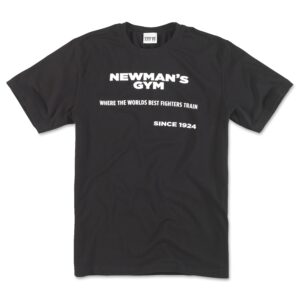
newman’s gym*®
San Francisco, trained here for Olympic trials.
Newman’s Gym opened in 1924 inside San Francisco’s Cadillac Hotel and became the city’s only boxing gym. For decades, it drew fighters from across the country, including Muhammad Ali, Jack Dempsey, and Joe Louis.
Co-owner Billy Newman was known for his generosity, often helping struggling boxers chase their dreams. Within its walls, champions and hopefuls trained side by side, keeping the gym alive with grit and ambition.
Even after the Cadillac Hotel was named a landmark in 1984, the gym carried on. Following Newman’s passing that year, Don Stewart kept the doors open until 1992, when the historic space finally closed.
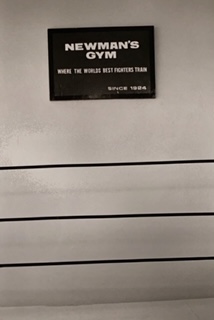
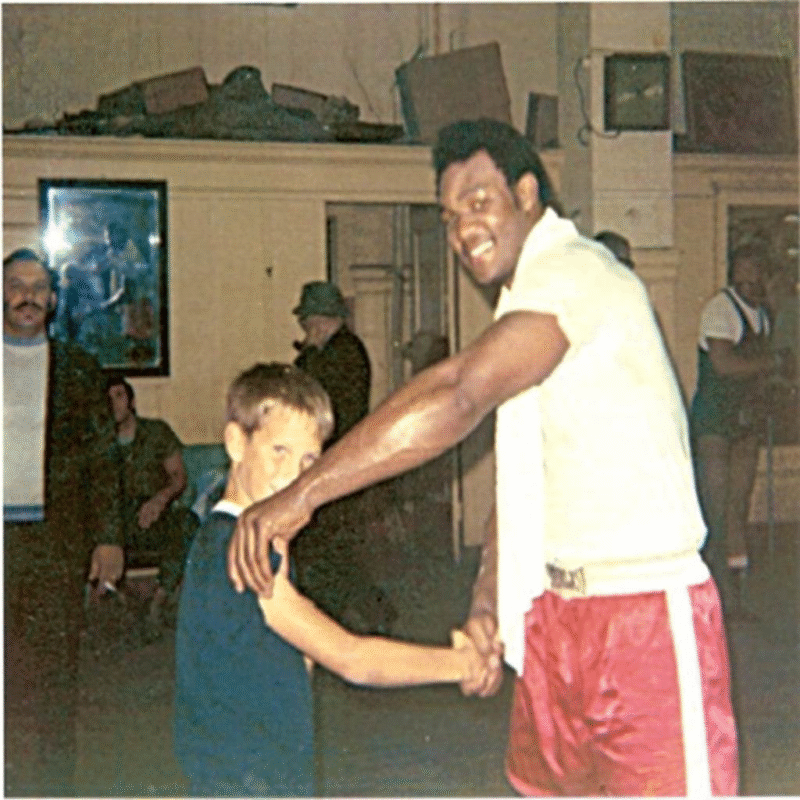
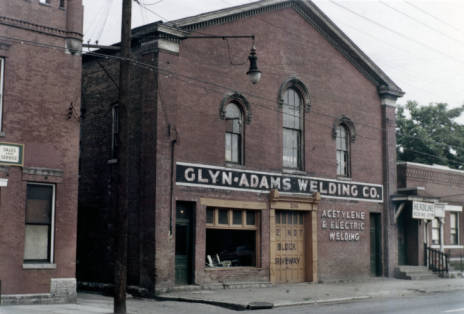
bruner’s headline boxing gym*
Louisville Kentucky trained here 1955.
Bruner’s Headline Boxing Gym opened in Louisville in 1952, founded by Edgar “Bud” Bruner, a Fort Knox athletic director and Golden Gloves matchmaker. It quickly became a proving ground for local talent, known for disciplined training and tough sparring.
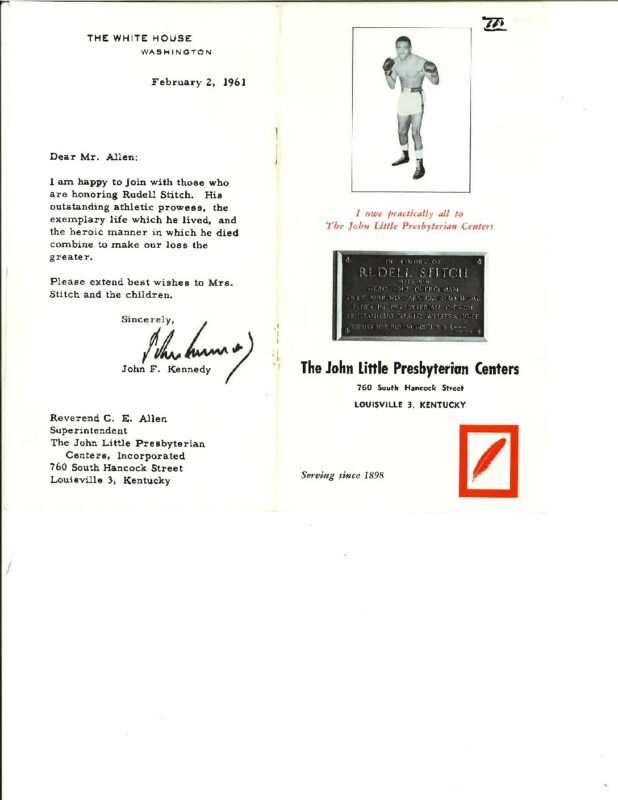
Under Bruner’s guidance, fighters like Rudell Stitch and Jimmy Ellis rose through the ranks, with Ellis eventually becoming a world heavyweight champion. Muhammad Ali, then known as Cassius Clay, also stepped through its doors — his first gym workout after winning Olympic gold in 1960 was here, and Bruner arranged his first professional fight.
The gym carried a sense of community as much as competition, bringing boxers from across Louisville together. Its legacy endures through the champions it produced and the role it played in shaping the city’s boxing history.
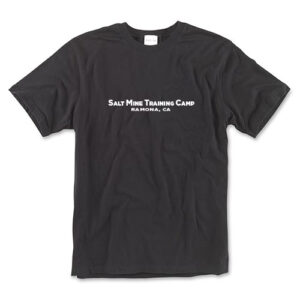
salt mine Training camp*®
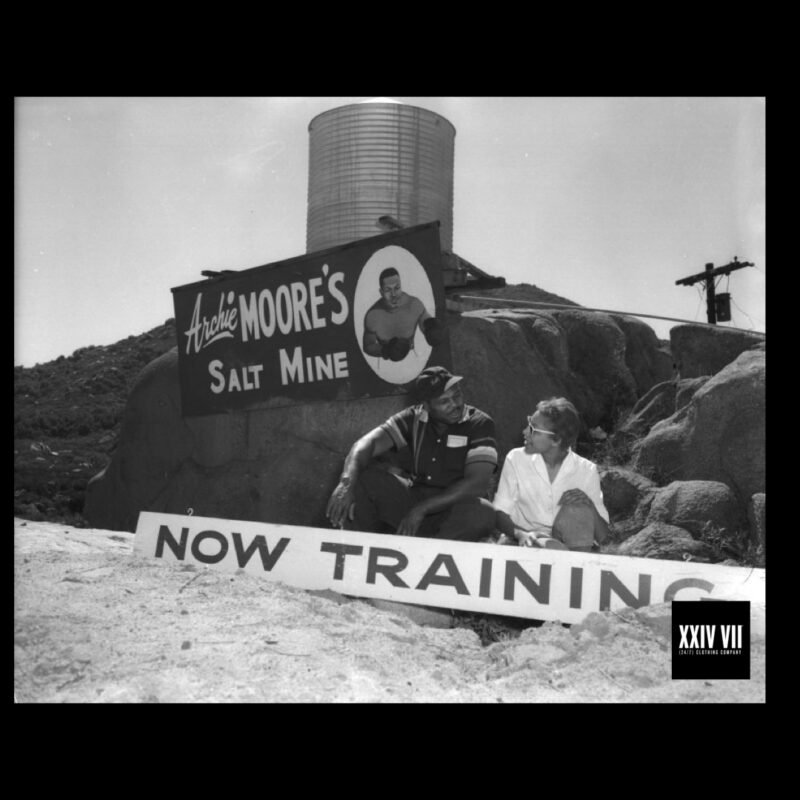
Ramona, CA 1960 trained with Archie Moore.
Salt Mine Training Camp was founded in the 1960s by Archie Moore at the base of Mt. Woodson in Ramona, California. Known for its tough conditions, the camp offered a boxing ring, sweatbox, and rugged trails for roadwork, living up to its name as a place of grueling labor and discipline.
Notable fighters, including Muhammad Ali and George Foreman, trained there. Muhammad Ali’s time at the Salt Mine left a lasting mark — he later drew inspiration from it when creating his own Deer Lake Training Camp in Pennsylvania.
The Salt Mine stood as more than a gym. It was a proving ground where fighters embraced the grind, and its influence stretched far beyond Ramona through the champions it shaped and the camps it inspired.
5th street gym*
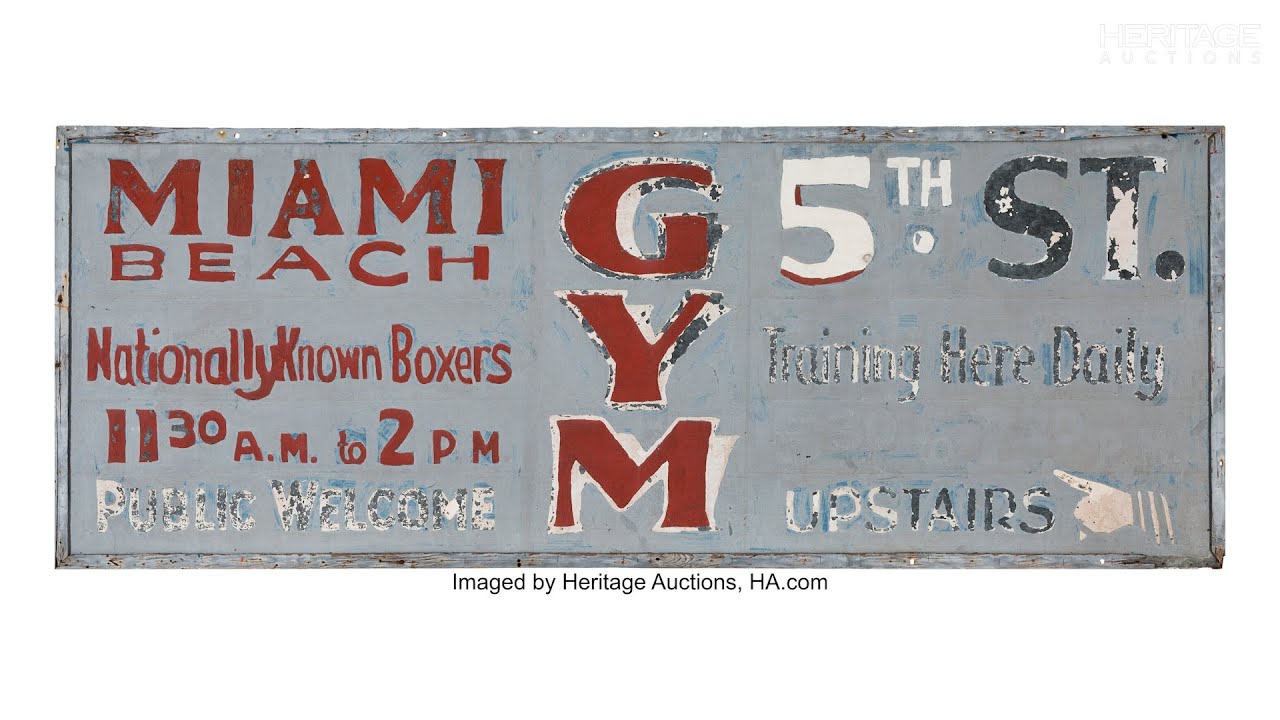
Muhammad Ali trained at the 5th Street Gym in Miami Beach, Florida, starting in December 1960, when he was still known as Cassius Clay
5th Street Gym in Miami Beach, Florida opened in 1951, founded by Chris Dundee, with Angelo Dundee joining a few years later to cultivate fighters. It was there in December 1960 that Muhammad Ali, then Cassius Clay, first stepped in to train as he launched his professional career.
The gym was lively and raw — mirrors lining the walls, windows letting in Miami light, rows of heavy bags and speed bags, and the buzz of fighters moving in unison. Under Angelo’s watch, Muhammad Ali ran roadwork, hit the bags, and sharpened his footwork. Entry cost just cents to start, but the price grew as his workouts became a draw.
5th Street Gym wasn’t just a place to train. It became a landmark in Muhammad Ali’s early career — the site where discipline met promise, and the roar began for a fighter on his way to legend.
city parks gym
Trained here in 1962
City Parks Gym in New York City hosted Muhammad Ali, then Cassius Clay, in the early 1960s. A photo dated February 8, 1962, shows him working out there — one of his early professional training
moments.
Though details of the gym itself are scarce, it shared the familiar traits of its era — spartan equipment, long sparring sessions, and fighters of all levels pushing each other.
For Muhammad Ali, City Parks Gym was another stop on the road, where discipline and grit carried him further into his journey as a professional boxer.
N’Sele Training Camp®
Kinshasa , Zaire 1974 for George Foreman
Schine Inn Training camp*®
Massachusetts 1965 for Sonny Liston match
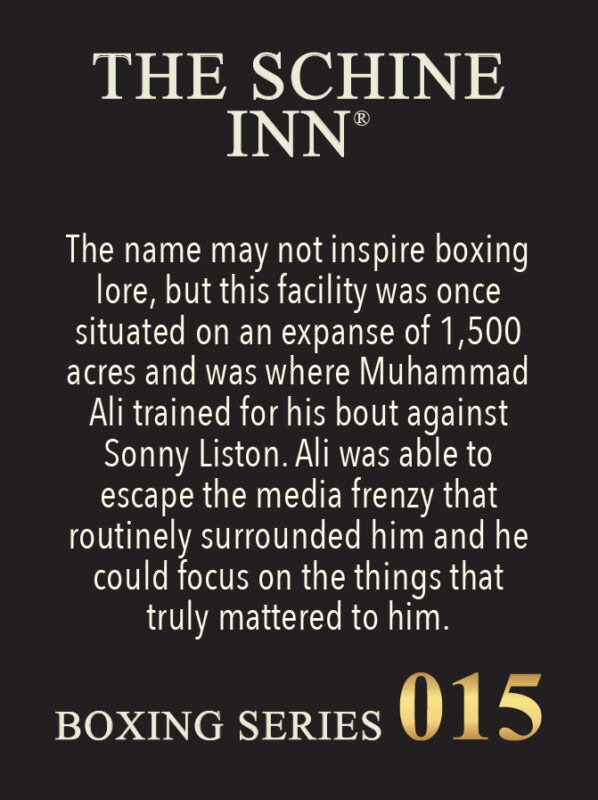
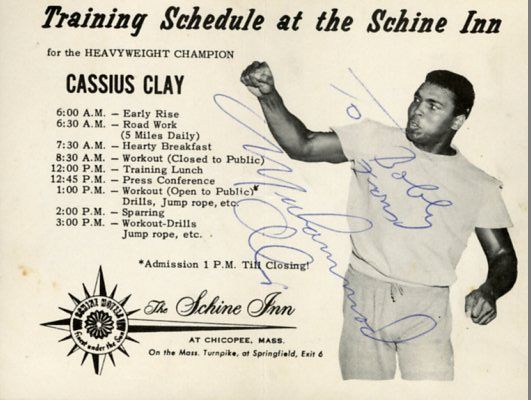
Schine Inn in Chicopee, Massachusetts, became Muhammad Ali’s base in 1965 as he prepared for his rematch with Sonny Liston. He turned a banquet hall into a gym and ran five miles in combat boots through nearby Blunt Park, building strength and stamina under the watch of Angelo Dundee, Bundini Brown, and sparring partners like Jimmy Ellis.
On May 25, in Lewiston, Maine, Muhammad Ali delivered the famous “phantom punch,” knocking out Liston in the first round. The fight drew a small crowd in person but reached hundreds of thousands through closed-circuit television.
After his victory, Muhammad Ali returned to celebrate at the Schine Inn — a modest training camp forever tied to one of the most controversial and unforgettable moments in boxing history.
coulon’s gym*®
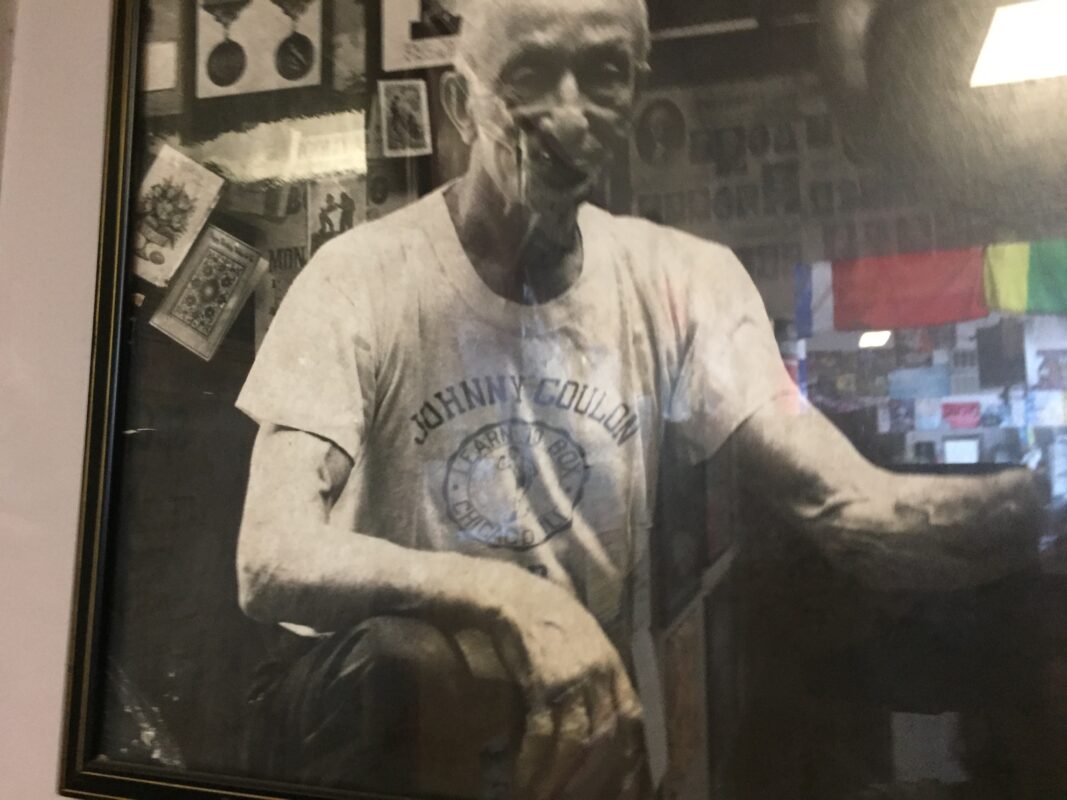
Muhammad Ali trained at Johnny Coulon’s Gym in Chicago in 1965 and 1966.
Johnny Coulon’s Gymnasium, established around 1923 by former bantamweight champion Johnny Coulon and his wife Marie, stood on Chicago’s South Side at 1154 East 63rd Street. On the third floor, the space held a single ring, a handful of punching bags, a locker room, and showers. The sounds of the nearby “L” train rattled through the windows, giving the gym a raw, urban edge.
The Coulons enforced strict discipline: no cursing, no smoking, and respect for the ring. That approach shaped generations of fighters. Legends like Jack Dempsey, Joe Louis, Rocky Marciano, and Sonny Liston passed through, and Muhammad Ali trained here during his years of exile.
Coulon’s became more than a boxing hall. Ernest Hemingway once sparred there, LeRoy Neiman sketched its fighters, and later the site evolved into the Windy City Boxing Gym under Clarence Griffin, where Muhammad Ali kept training while living in Hyde Park. Its story remains a cornerstone of Chicago’s boxing heritage.
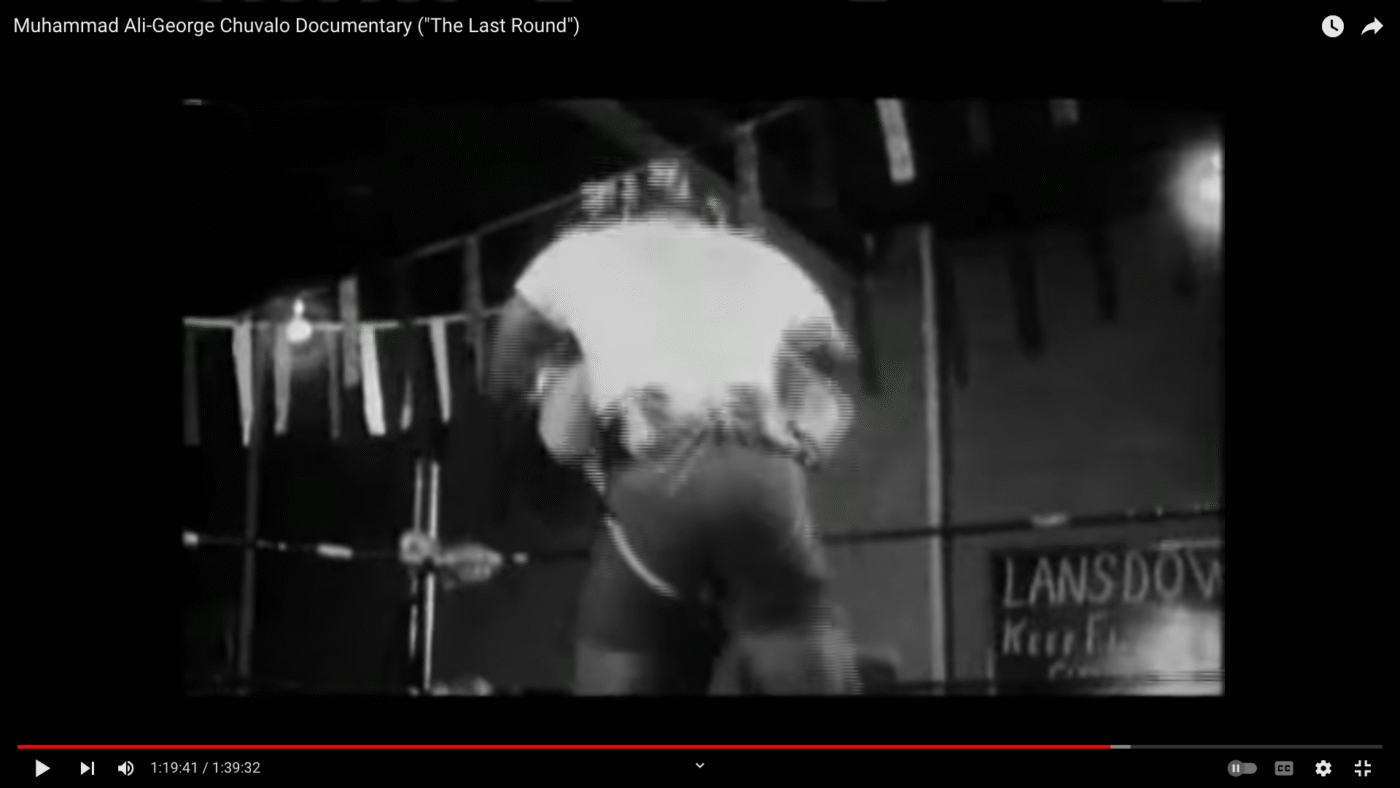
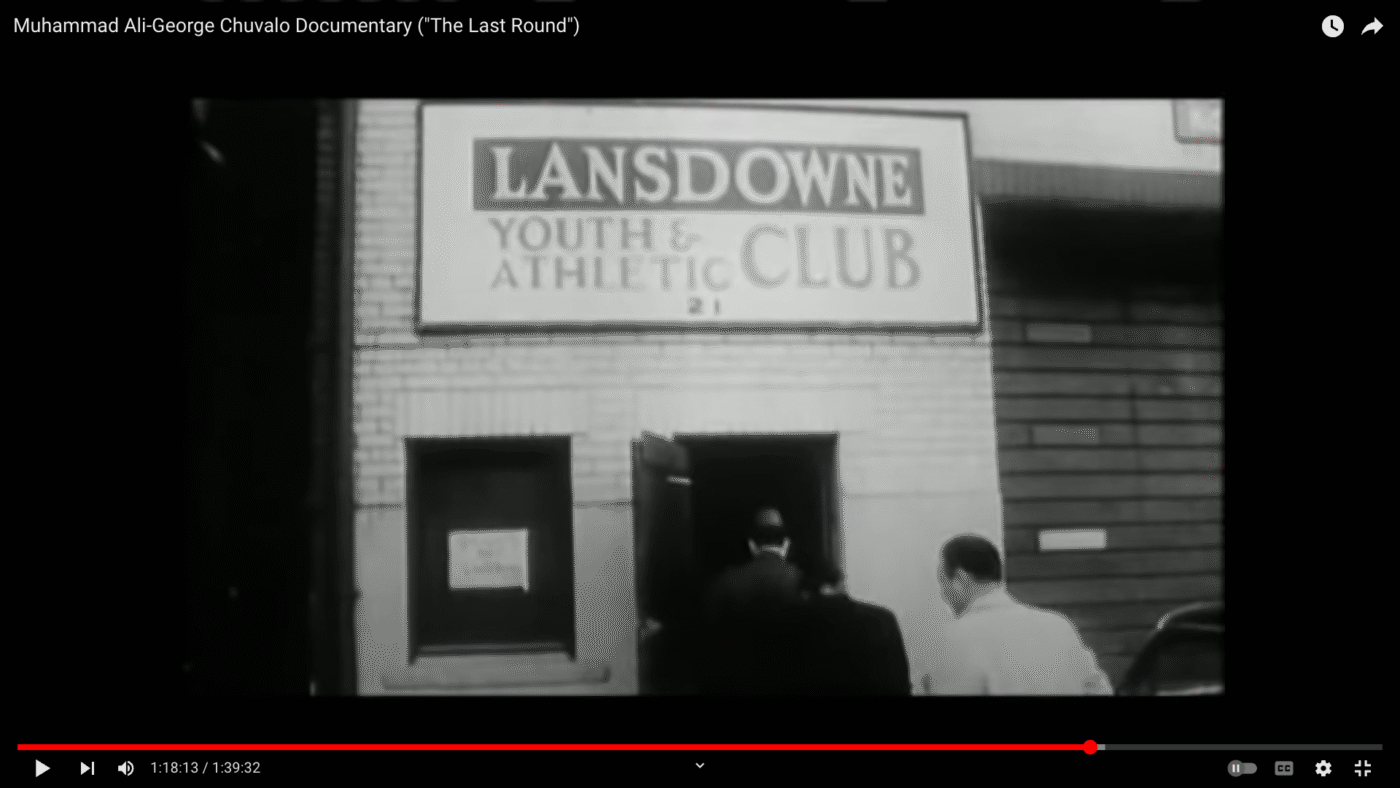
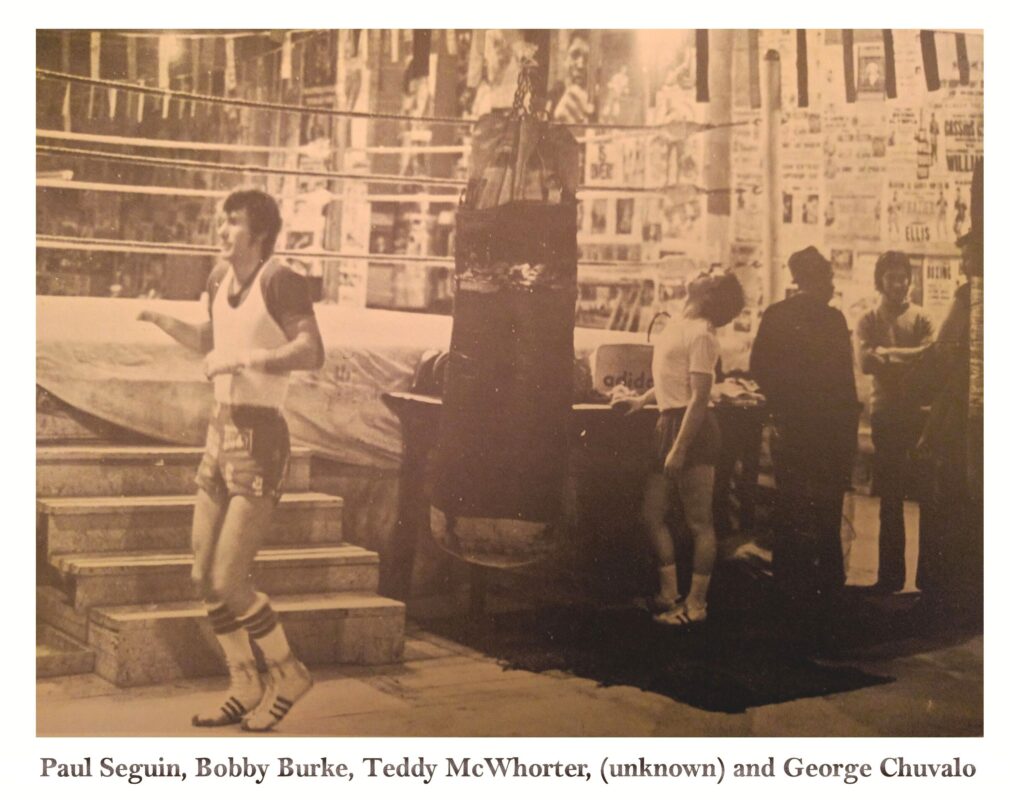
lansdowne athletic club*
Toronto Canada 1966 for George Chuvalo
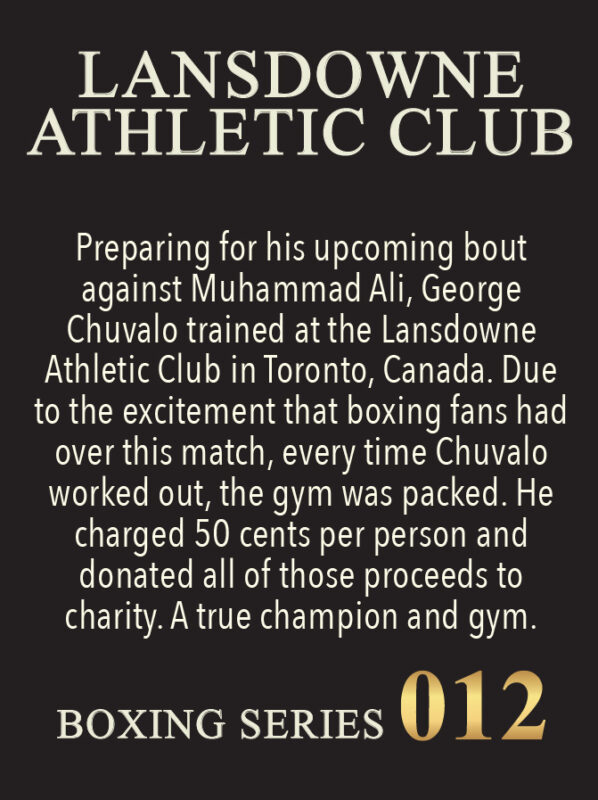
The Lansdowne Boxing Club in Toronto, Canada, thrived from the mid-1960s through the early 1970s as one of the city’s premier boxing gyms. Its atmosphere was alive with energy, drawing fighters who pushed each other in a space known for discipline, grit, and inspiration.
George Chuvalo, Canada’s heavyweight champion, trained here while preparing for his 1966 bout with Muhammad Ali. Crowds packed in to watch his sessions, paying fifty cents at the door — proceeds Chuvalo donated to charity. Alongside him, Clyde Gray, one of Canada’s finest welterweights, and even future wrestling star Roddy Piper sharpened their craft.
Lansdowne was more than a gym. It was a gathering place where young fighters looked up to champions training just a few feet away, and where Toronto’s boxing heritage grew stronger with every round.
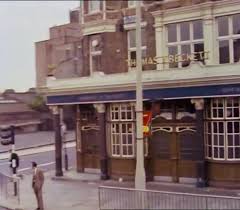
thomas a’ becket gym*®
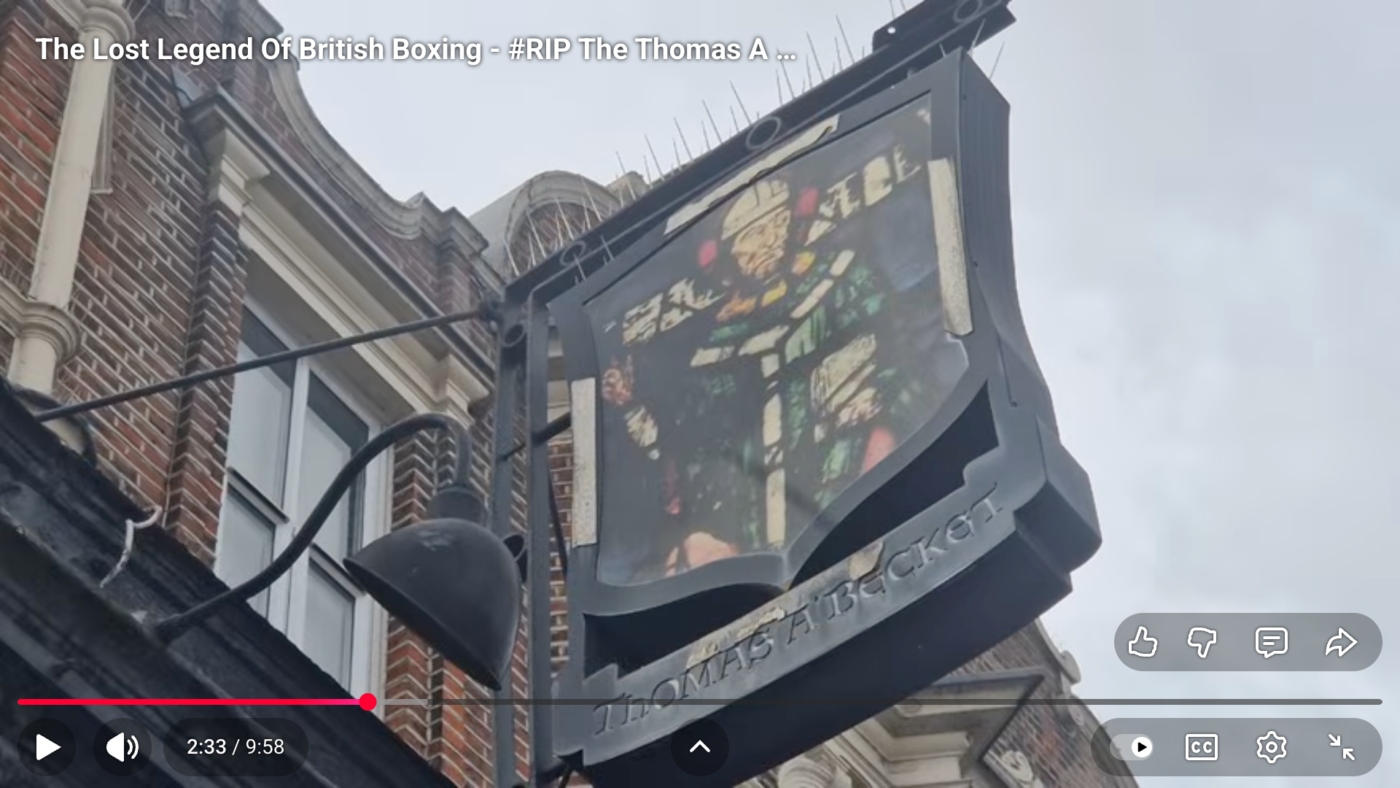
1960’s for Henry Cooper match.
Thomas A’ Becket Gym, above the pub on Old Kent Road in London, became one of those boxing places that legends passed through. Muhammad Ali, Joe Frazier, and Sugar Ray Leonard are all said to have sparred there when they came to fight in Britain.
Upstairs, amid pub noise below, fighters trained in a space that was raw but focused. Henry Cooper worked here six days a week for years, honing the strength and timing that made him a British champion.
Even if Muhammad Ali’s time at the gym was brief, the fact he walked those stairs ties him to its legend. Thomas A’ Becket stands as a crossroads in boxing history — where world champions came to sharpen their edge.
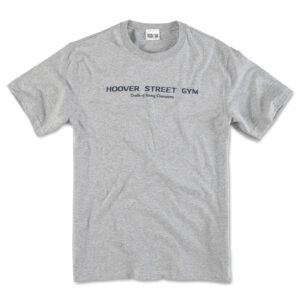
Hoover street gym*®
Los Angeles, CA trained here January 1970 and sparred with Ken Norton.
Hoover Street Gym, at 78th and Hoover in South Los Angeles, was a small but influential boxing space that left its mark from the 1940s through the 1970s. Known for its tough, stripped-down atmosphere, it gave fighters a place to sharpen their craft without distractions.
Joe Frazier was among those who trained here, working under the legendary Eddie Futch. At Hoover Street, Frazier refined the skills and discipline that carried him into the Olympic Auditorium and, eventually, to the heavyweight championship of the world.
Part of a larger Los Angeles boxing scene that included the Main Street Gym and Olympic Auditorium, Hoover Street never had the size or fame of those venues — but it produced fighters with grit and heart, securing its place in boxing history.
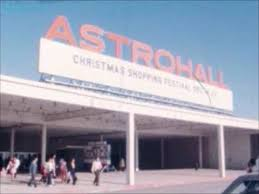
astrohall*®
Houston, Texas July 1971 training for Jimmy Ellis.
Astrohall in Houston, Texas, became Muhammad Ali’s training base in early 1967 as he prepared for his WBA heavyweight title fight against Ernie Terrell. Its location beside the Astrodome gave him the chance to train close to the fight venue, while the large space drew crowds of fans and press eager to watch his open workouts.
His routine mixed early morning roadwork with gym drills — speed bag, heavy bag, jump rope, and sparring designed for Terrell’s size and reach. Each session focused on movement, endurance, and precision, keeping his style sharp.
On February 6, 1967, Muhammad Ali stepped into the Astrodome and outboxed Terrell over 15 rounds, winning a unanimous decision. The Astrohall remains tied to that moment, remembered as the place where his preparation met one of his defining victories.
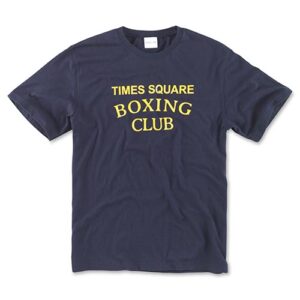
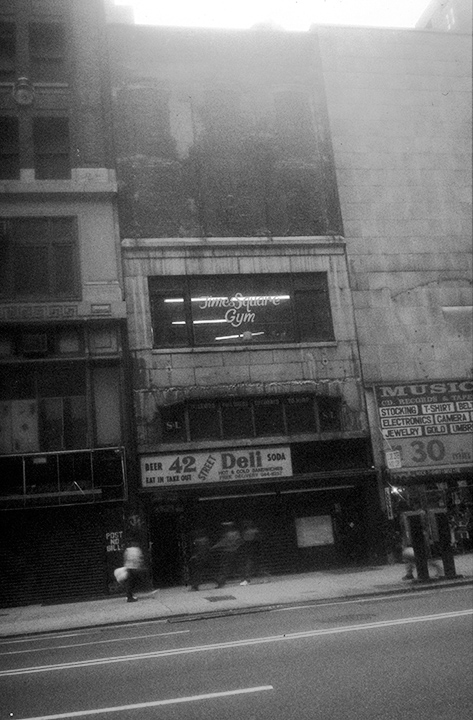
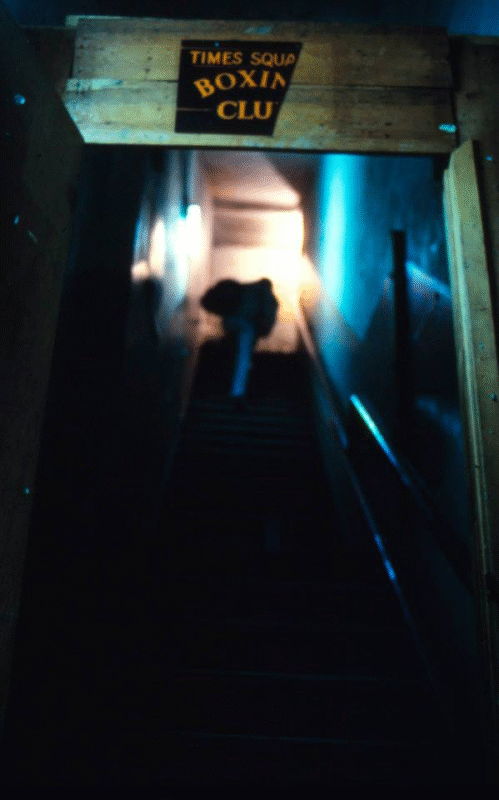
times square boxing club®
New York, NY 1972 trained for Floyd Patterson match.
Times Square Boxing Club sat above 42nd Street in New York, founded by trainer Jimmy Glenn. Known for his integrity and respect in the sport, Glenn built a gym that cut through the chaos of Times Square in the 1970s and ’80s, keeping out the noise of theaters and street life below.
The gym itself was gritty and unpolished, filled with the sounds of sparring and the smell of sweat and leather. Fighters trained by the windows overlooking the street, where passersby could catch glimpses of future champions at work.
For decades, Times Square Boxing Club drew rising talent and seasoned pros alike, especially those fighting at Madison Square Garden. Its story is inseparable from Jimmy Glenn — and forever tied to Muhammad Ali’s era.
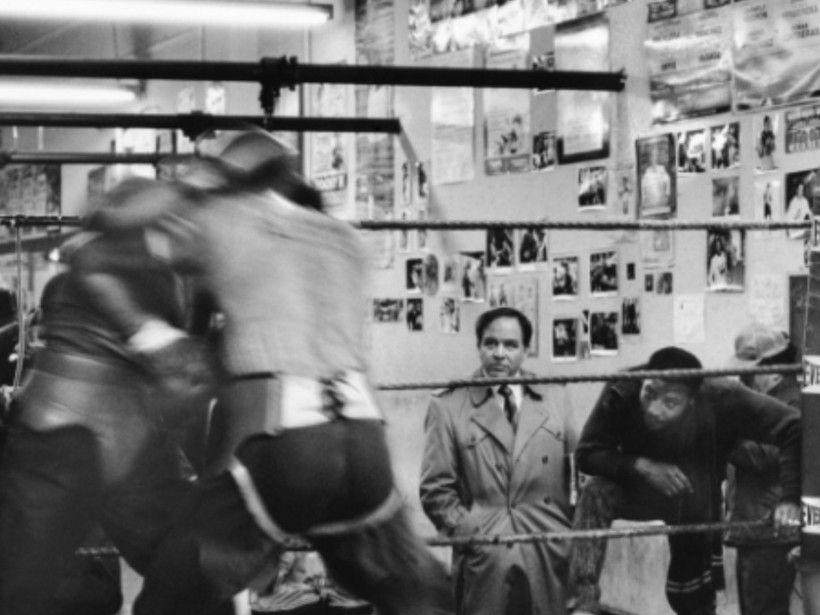
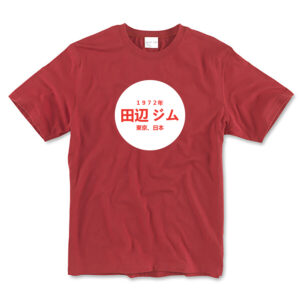
tanabe gym
For Mac Foster match
Tanabe Gym in Tokyo came alive in early 1972 when Muhammad Ali prepared for his fight with Mac Foster. Located next to Korakuen Ball Park, it became the stage for his training sessions, where he hit the heavy bag, worked the speed bag, and sparred with partners Alonzo Johnson and Dave Adkins.
Muhammad Ali made bold predictions, calling for a fifth-round knockout and linking it to everyday symbols in his life — waking at five, running five miles, and having a five-year-old daughter. His confidence and charisma charged the air, keeping fans and press locked in on every word and movement.
What set Tanabe Gym apart was the energy it attracted. Crowds pressed in, reporters filled the space, and Muhammad Ali turned each session into performance — blending training with showmanship in a way only he could.
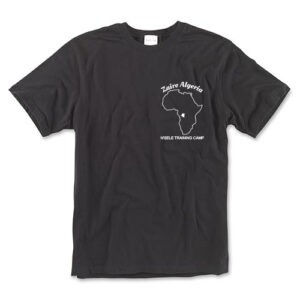
n’sele training camp®
For George Foreman 1974
N’Sele Training Camp, on the outskirts of Kinshasa, Zaire, was where Muhammad Ali prepared for his 1974 showdown with George Foreman — the “Rumble in the Jungle.” Set against the African countryside, it offered isolation and focus as Ali built his strength and strategy for one of the greatest fights in history.
Images from N’Sele defined the camp’s legacy: Muhammad Ali running dirt roads, shadowboxing under the tropical sun, and training with locals gathered to watch. The workouts became a community event, with cheers pushing him through every mile and sparring round.
N’Sele was more than a training ground. It became a cultural moment — blending boxing, politics, and African pride — and a symbol of the conditioning and spirit that carried Muhammad Ali to victory.
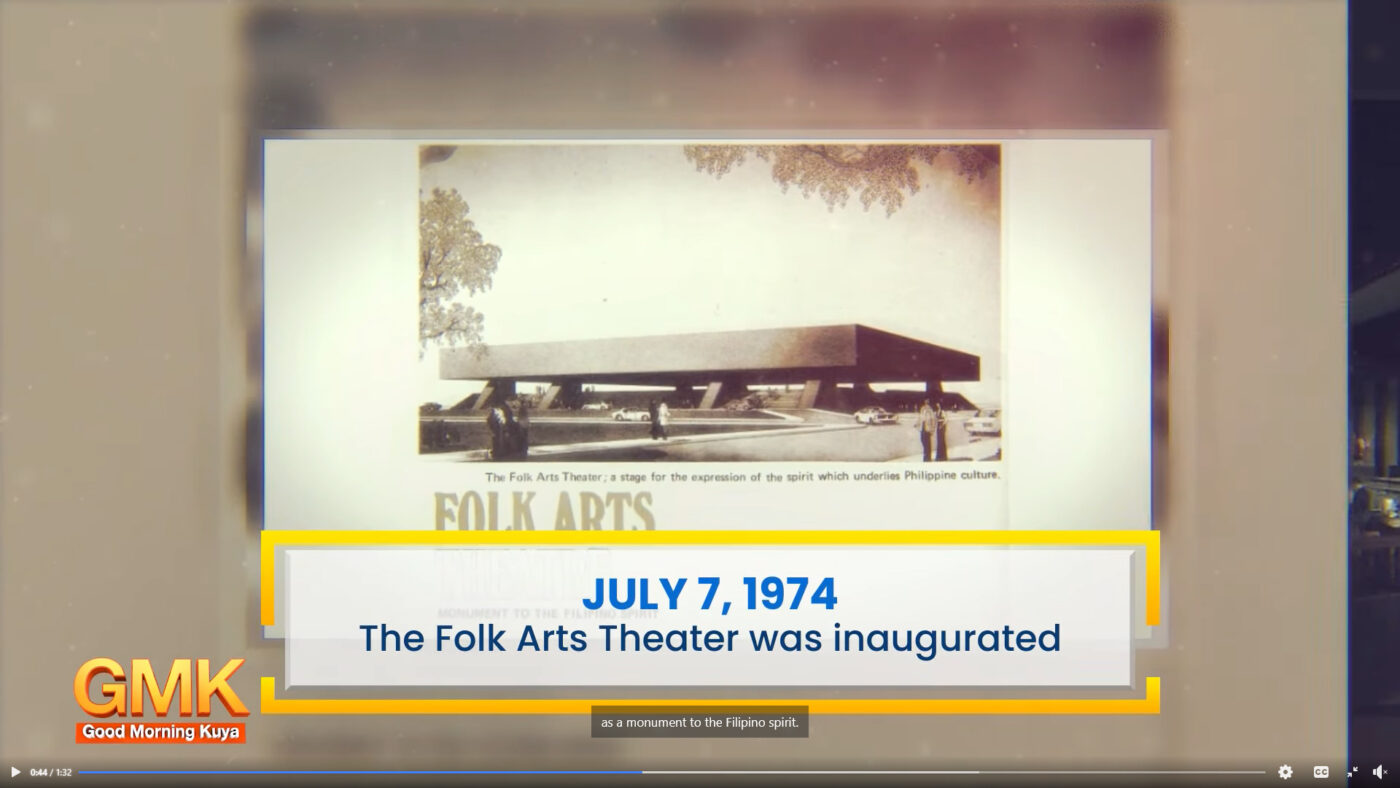
Folk arts theater*
For Joe Frazier match
Folk Arts Theater in Manila, Philippines, became Muhammad Ali’s training ground in 1975 as he prepared for the “Thrilla in Manila” against Joe Frazier. Normally a venue for cultural shows, it was converted into a boxing arena where Ali trained before one of the fiercest battles of his career.
Up to 4,000 fans packed the theater for his sessions, paying to see him spar, hit the bags, and entertain between rounds. The workouts blurred the line between training and spectacle, as Muhammad Ali played to the crowd with his words and presence.
True to form, Muhammad Ali used the stage for psychology as well as preparation, even blasting Joe Frazier’s song “First Round Knockout” through the speakers. At Folk Arts Theater, his charisma met his conditioning, creating an atmosphere as unforgettable as the fight itself.
A must for any boxing head!
Great shirt. Huge Cus and Tyson fan so I knew I needed this shirt in my rotation. Any fan of boxing history will appreciate this one. I know when I wear it at the gym it always strikes up a convo with some of the older trainers. Can’t wait to buy more.
Sign up for our newsletters!